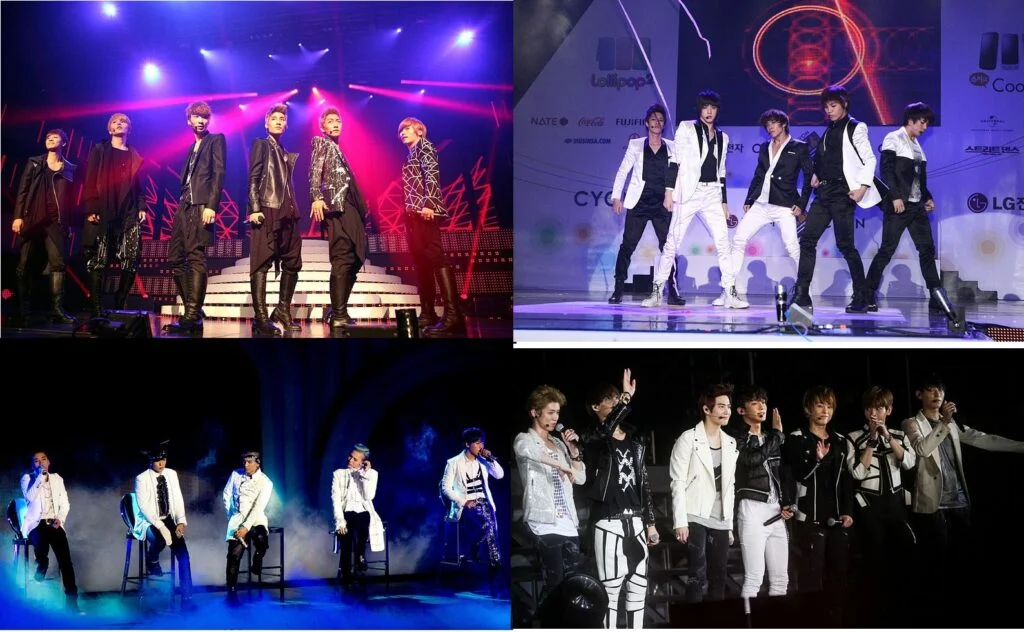
Once a niche export from South Korea, K-pop has evolved into a global cultural phenomenon, redefining how the world views popular music, fandom, and digital identity. From sold-out stadium tours in the West to trending social media hashtags that dominate global charts, the genre has transcended language and geography.
But the rise of K-pop is not just about the music — it’s a lens into the values, behaviors, and aspirations of today’s youth across borders.
This global explosion of Korean pop music speaks volumes about how younger generations consume culture, engage with identity, and find belonging in an increasingly interconnected world.
What Is K-Pop, Really?
K-pop, short for Korean pop, is not a singular musical genre but a dynamic industry built on meticulous artist development, cross-genre experimentation, and high production values. Its sound pulls from pop, hip-hop, R&B, EDM, and even classical influences. But beyond music, K-pop is a full-spectrum experience — blending visual storytelling, fashion, choreography, and personality-driven content.
Groups like BTS, BLACKPINK, EXO, and TWICE are more than performers. They are brands, ambassadors, and cultural representatives with carefully cultivated identities that resonate deeply with fans.
The Digital-First Generation
One of the key factors behind K-pop’s rise is its alignment with digital-native youth. Platforms like YouTube, Twitter, and TikTok have allowed Korean artists to reach international audiences without traditional media gatekeepers. Music videos are designed to be shared, reacted to, and dissected online. Fandoms are organized through social media, where content is translated, subtitled, and distributed by fans themselves.
In a digital world, K-pop is optimized for engagement — with every comeback, teaser, and livestream crafted for maximum shareability.
This participatory model empowers fans to be more than consumers; they become co-promoters, translators, and content creators — building community through collaboration.
Training, Talent, and Transformation
One of the unique features of the K-pop industry is its intensive training system. Aspiring idols often begin training in their early teens, spending years perfecting their vocals, dance, language skills, and public image. While this system has been criticized for its rigidity and pressure, it also reflects a core value of modern youth culture: discipline in pursuit of excellence.
Young fans admire idols not just for their talent, but for the visible effort behind their success. The narrative of perseverance — overcoming physical exhaustion, emotional setbacks, and public scrutiny — creates a deeper emotional investment.
Globalization Without Erasure
Unlike previous global pop phenomena that adapted to Western standards to gain international traction, K-pop achieved success largely on its own terms. Most songs are primarily in Korean, with only occasional English hooks. Instead of diluting their cultural roots, K-pop artists integrate traditional Korean elements — from hanbok-inspired fashion to local mythology — into their modern productions.
This cultural confidence resonates with a generation that values authenticity. For many non-Korean fans, learning about Korean language, history, and customs becomes part of the fandom experience. K-pop doesn’t just cross borders — it invites others to meet it where it stands.
The Power of Fandom
Perhaps no other genre boasts fandoms as organized and influential as K-pop. Groups like BTS’s ARMY or BLACKPINK’s BLINKs operate with the precision of grassroots movements. They mobilize to stream songs, vote in polls, and fund charitable causes — often on a global scale.
- In 2020, K-pop fans famously hijacked racist hashtags and flooded them with fancams during global protests.
- Fandoms frequently fundraise for disaster relief, environmental efforts, and social justice campaigns — all in the name of their idols.
This reflects a broader truth about Gen Z and younger millennials: fandom isn’t just about entertainment. It’s about identity, activism, and community building.
Visual Aesthetics and Gender Fluidity
K-pop’s visual style is another reason for its appeal. From elaborate music videos to avant-garde stage outfits, the genre prioritizes aesthetics with almost cinematic precision. But it also challenges traditional notions of gender expression. Male idols wear makeup, dye their hair in vibrant colors, and display sensitivity in ways that contrast sharply with Western masculine norms.
K-pop normalizes emotional expression and fluid fashion, resonating with a generation that increasingly rejects binary definitions of gender and identity.
This openness has made the genre particularly appealing to LGBTQ+ fans and young people exploring their own identities.
Mental Health and Industry Critiques
Despite its glamorous exterior, the K-pop industry has faced scrutiny for the pressures it places on its artists. The intense training regimes, lack of privacy, and unrealistic beauty standards have led to public conversations about mental health — both among idols and fans.
In recent years, artists have begun speaking openly about burnout, anxiety, and depression. BTS’s members, for example, have discussed their emotional struggles in interviews and lyrics, contributing to the destigmatization of mental health conversations.
The willingness to be vulnerable — even in a tightly controlled industry — mirrors youth culture’s demand for transparency and emotional authenticity.
Cultural Exchange in Action
K-pop’s global influence also represents a broader cultural shift: a two-way exchange rather than a one-directional export. While K-pop draws from Western genres, it also influences them in return. Collaborations between Korean artists and global stars — like BTS and Halsey, or BLACKPINK and Selena Gomez — highlight a new model of cultural hybridity.
This reflects the interconnected nature of today’s youth culture, where music, fashion, and trends don’t originate from one place but emerge through constant exchange and remixing across platforms and continents.
Lessons From the K-Pop Phenomenon
The rise of K-pop tells us more than just the story of a successful music genre. It reveals:
- Youth value connection over distance. K-pop proves that language is no longer a barrier to emotional resonance.
- Identity is multifaceted. Fans gravitate toward narratives that reflect growth, complexity, and openness.
- Culture is participatory. Audiences don’t just consume media — they build communities around it.
- Global influence is no longer Western by default. K-pop has reshaped the cultural power map, showing that influence can emerge from anywhere.
More Than a Genre
K-pop’s rise is not a passing trend or an isolated phenomenon. It is the embodiment of a cultural shift driven by younger generations — one that favors collaboration over competition, community over celebrity, and emotion over ego.
In many ways, K-pop is not just music. It’s a blueprint for how culture can be created, shared, and lived in the 21st century. As long as youth continue to crave connection, expression, and belonging, the global pulse of K-pop will only grow stronger — not just as a genre, but as a movement.