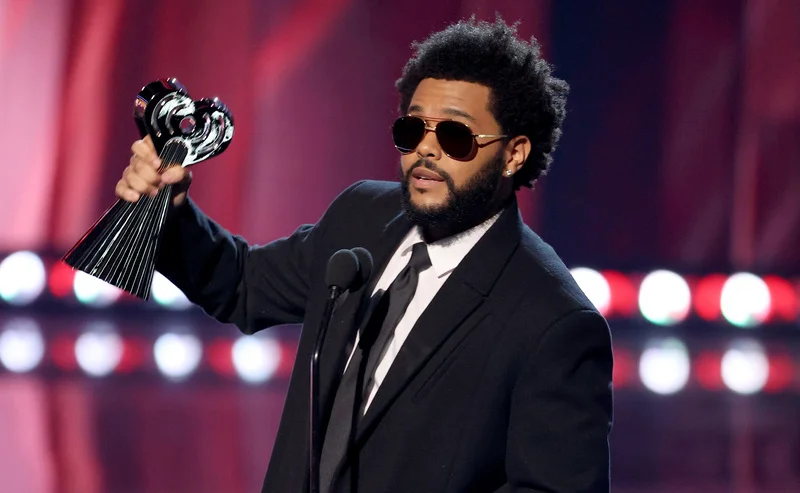
In the fast-evolving world of music streaming, where viral hits rise and fall in days, few songs manage to achieve long-lasting dominance. Yet The Weeknd’s 2019 single “Blinding Lights” defied that trend.
As of 2024, it holds the record for the most streamed song of all time on Spotify — a monumental achievement in the era of digital music. But what makes this track more than just a commercial hit? The answer lies in its unique blend of sonic nostalgia, perfect timing, and masterful marketing.
The Sonic Blueprint: A Nostalgic Yet Fresh Sound
“Blinding Lights” is instantly recognizable due to its infectious 1980s-inspired synths, pulsing drums, and driving bass line. Produced by Max Martin and Oscar Holter, the track taps into retro aesthetics while remaining firmly modern. This fusion of new and old creates a sound that appeals to multiple generations. For older listeners, it evokes memories of artists like Depeche Mode and A-ha. For younger audiences, it offers something refreshing in a sea of trap-heavy or minimalist pop.
The structure of the song also plays a key role in its success. Its tempo sits comfortably around 171 BPM — unusually fast for a pop hit — yet its smooth production prevents it from feeling rushed. The melody is simple, but emotionally resonant, making it perfect for repeat listening. Its euphoric chorus and emotionally urgent lyrics give it a cinematic quality that mirrors the synth-pop of decades past while delivering the polish expected in today’s music.
Lyrics That Balance Melancholy and Urgency
Beyond the sound, “Blinding Lights” connects on a lyrical level. The Weeknd sings about longing, regret, and emotional dependence:
“I’m blinded by the lights / No, I can’t sleep until I feel your touch.”
This one line encapsulates the emotional tension that defines the song. While the production feels bright and energetic, the lyrics speak to vulnerability and emotional disarray. This contrast deepens the song’s impact, creating an immersive listening experience that resonates both on dance floors and in moments of solitude.
The narrative of yearning also ties into broader human experiences of isolation and the search for connection — themes that became especially poignant during the COVID-19 pandemic, when the song surged in popularity.
A Pandemic-Era Soundtrack
“Blinding Lights” was released in November 2019 and gained momentum just as the world began entering lockdown in early 2020. As people around the globe turned to music for comfort, familiarity, and escape, the track’s upbeat sound and emotive lyrics provided the perfect balance.
With live events canceled and social interaction limited, streaming became the dominant mode of music consumption. “Blinding Lights” thrived in this environment, benefiting from repeat listens, playlist features, and user-generated content. It wasn’t just a song — it became a sonic companion during a time of uncertainty.
Its accessibility across moods and settings — whether jogging solo, video chatting with friends, or simply reflecting indoors — helped it maintain relevance long after many chart-topping hits faded.
Strategic Promotion and the Power of Performance
A large part of the song’s staying power can be attributed to how The Weeknd and his team promoted it. From its stylized music video to its performances across high-profile events, every appearance was part of a larger artistic vision. The singer adopted a distinct red-suited character inspired by the aesthetics of films like Casino and Drive, presenting a gritty Las Vegas narrative that added visual identity to the song.
One of the most iconic moments came with The Weeknd’s Super Bowl LV halftime performance in 2021. Seen by over 90 million people, the spectacle featured “Blinding Lights” as its climax, complete with an army of masked dancers and dazzling stage production. This exposure pushed the song further into the public consciousness and brought in new listeners who may not have followed pop or R&B closely.
Moreover, the song’s presence in commercials, movies, and TikTok videos extended its lifespan far beyond that of the average radio single.
Streaming Algorithms and the Playlist Effect
Streaming services like Spotify use algorithms that favor songs with high completion and replay rates. “Blinding Lights” checked both boxes, making it an ideal candidate for inclusion in major playlists such as “Today’s Top Hits,” “Pop Rising,” and “Throwback Thursday.”
Its broad genre appeal also helped it cross playlist boundaries. It could comfortably sit next to 1980s pop classics, modern synth-pop, R&B hits, or even alternative pop songs. This flexibility expanded its reach and led to sustained exposure on both curated and algorithm-driven playlists.
What’s more, the song’s concise length (under four minutes) encouraged repeat streams. Its infectious hook and clean production ensured listeners often didn’t just hear it once — they looped it.
Global Appeal and Cross-Cultural Resonance
Unlike many songs that peak in one region and fade elsewhere, “Blinding Lights” achieved truly global popularity. It topped the charts in over 30 countries and has been streamed billions of times from listeners around the world.
The absence of cultural specificity in its lyrics — combined with a universally enjoyable melody — gave it borderless appeal. Its themes of love, regret, and desire are deeply human and easily understood, regardless of native language or cultural context.
Additionally, The Weeknd’s background — being of Ethiopian descent, born in Canada, and raised in multicultural Toronto — contributes to his global relatability. He represents a new kind of pop star: one who can fluidly move between genres, languages, and audiences.
A New Kind of Legacy
With “Blinding Lights” surpassing even Ed Sheeran’s “Shape of You” in total Spotify streams, it marks a shift in what makes a song timeless in the streaming era. Longevity is no longer about physical sales or even radio spins — it’s about consistent digital presence, global accessibility, and emotional resonance.
Unlike many viral hits that vanish in months, “Blinding Lights” has continued to gain listeners over time. It doesn’t rely on gimmicks or controversy. Instead, it thrives on musical craftsmanship, emotional honesty, and cultural savvy.
Conclusion: More Than Just a Hit
“Blinding Lights” didn’t become the most streamed song of all time by accident. It succeeded because it bridged generations, captured a moment in history, and offered something deeper than a catchy beat. It’s a song that people turned to in times of celebration and isolation alike, connecting with its joyful sound and emotional core.
In an age where music is more accessible and disposable than ever, “Blinding Lights” stands as proof that even in the streaming era, timeless songs are still possible. The track may have been born in the studio, but it now lives as a part of millions of people’s lives — a modern classic that shows no sign of dimming.