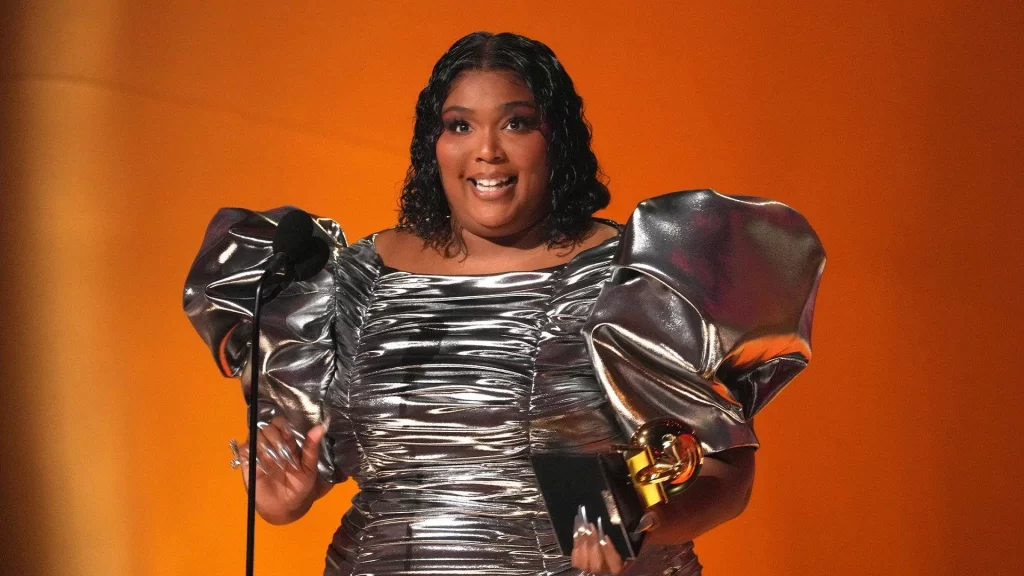
In the landscape of modern music, few stories are as inspiring as that of Lizzo. Born Melissa Viviane Jefferson, the artist known simply as Lizzo has risen from modest beginnings and local performances to dominate global charts and win multiple Grammy Awards. Her journey is not only a tale of musical growth but also a powerful narrative of self-acceptance, resilience, and cultural impact.
Early Life and Musical Roots
Lizzo was born on April 27, 1988, in Detroit, Michigan, before moving with her family to Houston, Texas, at the age of ten. It was in Houston that her musical identity began to take shape. She was classically trained as a flutist, a skill that would later become a signature element in her performances. By high school, she was already exploring rap and formed her first musical group, a girl rap trio named “Cornrow Clique.”
The blend of classical music, Southern rap, and gospel influence created a unique musical foundation. Lizzo’s early experimentation with genres would later translate into her eclectic sound, blending pop, hip-hop, funk, and soul into a cohesive and recognizable style.
The Move to Minneapolis and Indie Scene Grind
After the death of her father—a pivotal moment in her life—Lizzo moved to Minneapolis, Minnesota, in 2011. The city had a vibrant and supportive indie music scene that embraced artistic diversity. Minneapolis became the incubator for her creative growth.
During her early years in the city, Lizzo lived in her car at times, performing at local venues and collaborating with artists on the underground circuit. She joined several musical collectives, including The Chalice and Grrrl Prty, gaining valuable experience and local recognition. These early performances were marked by high energy, charisma, and raw authenticity.
Her 2013 debut solo album, Lizzobangers, produced in collaboration with Lazerbeak of Doomtree, caught the attention of critics and opened doors to bigger opportunities. Though not a commercial success at the time, the album set the tone for her fierce and witty lyrical style.
Breaking Through With “Big Grrrl Small World”
In 2015, Lizzo released her second album, Big Grrrl Small World, a project that further established her as a fearless voice in the music industry. With themes of body positivity, self-love, and empowerment, the album resonated with listeners who were seeking authenticity and representation in mainstream media.
Despite gaining more traction, Lizzo still operated outside the mainstream spotlight. She continued touring, appearing on late-night shows, and building a loyal fan base, especially among marginalized communities who found comfort in her message of radical self-love.
“Cuz I Love You” and the Path to Stardom
The release of her third studio album, Cuz I Love You, in 2019 marked a significant turning point. The album was her first major-label release, and it included breakout singles such as “Juice” and “Tempo,” featuring Missy Elliott. But it was “Truth Hurts,” a sleeper hit originally released in 2017, that catapulted Lizzo into mainstream fame after it went viral on TikTok.
“Truth Hurts” became a cultural anthem, topping the Billboard Hot 100 for seven weeks and earning Lizzo widespread recognition. The song’s lyrics—unapologetic, confident, and clever—captured the spirit of a generation tired of apologizing for their power.
Cuz I Love You received critical acclaim, with reviewers praising her vocal range, songwriting, and genre-blending prowess. It became evident that Lizzo wasn’t just a moment—she was a movement.
Grammy Recognition and Cultural Impact
At the 62nd Annual Grammy Awards in 2020, Lizzo received eight nominations, the most of any artist that year. She won three: Best Urban Contemporary Album for Cuz I Love You (Deluxe), Best Traditional R&B Performance for “Jerome,” and Best Pop Solo Performance for “Truth Hurts.”
These wins weren’t just personal achievements—they signaled a broader shift in the music industry. Lizzo’s presence on that stage represented artists who had historically been marginalized due to their size, race, or genre-blending artistry. She celebrated not only her success but the visibility of plus-size Black women in a world that often sidelines them.
Beyond awards, Lizzo’s impact expanded into conversations about body positivity, mental health, and feminism. Her openness about her struggles with self-worth and her celebration of self-love encouraged fans to embrace themselves unapologetically. Through both music and activism, Lizzo emerged as a cultural force.
Continued Evolution and Artistic Growth
After her Grammy wins, Lizzo continued to evolve as an artist. Her 2022 album, Special, featured the hit single “About Damn Time,” another chart-topping anthem that reaffirmed her relevance and staying power in the ever-changing music industry.
Her live performances became legendary for their energy, inclusivity, and genre-defying creativity. She brought classical flute solos into pop concerts, collaborated with diverse artists, and used her platform to advocate for social change. Whether she’s on stage or on social media, Lizzo is consistent in promoting empowerment, humor, and transparency.
A Legacy Still in the Making
Lizzo’s rise from local gigs to Grammy recognition is not just a story of perseverance and talent—it’s a blueprint for how artists can stay true to themselves while navigating an industry that often rewards conformity. Her trajectory proves that bold individuality, when matched with skill and purpose, can break barriers and redefine standards.
She has shifted what it means to be a pop star in the 21st century, making space for voices that don’t fit the traditional mold. By refusing to shrink herself—literally and metaphorically—Lizzo has become a symbol of empowerment for millions.
As her career continues to unfold, one thing is certain: Lizzo’s influence will reverberate far beyond her songs. She has already changed the industry. And she’s just getting started.