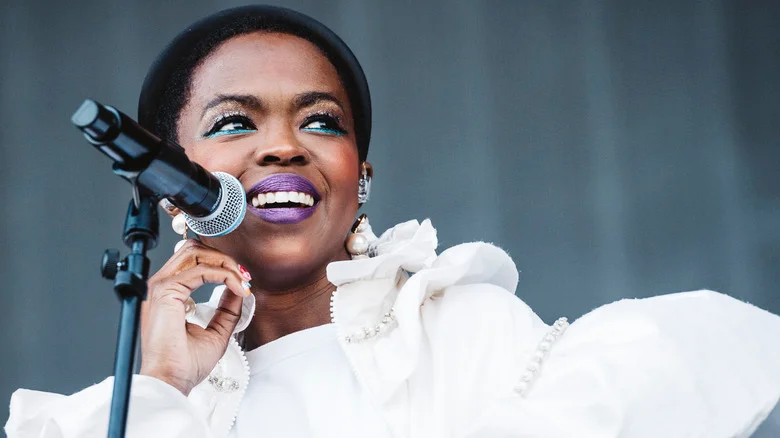
In an industry obsessed with spotlight, recognition, and perpetual relevance, walking away from fame seems almost unthinkable. For most musicians, success is the ultimate reward — years of relentless touring, public scrutiny, and artistic compromise all in pursuit of lasting stardom.
But for a select few, fame wasn’t the finish line; it was a detour. These artists chose to leave the public eye at the height of their careers, not due to scandal or decline, but as a deliberate and often spiritual act of departure.
1. Lauryn Hill: Retreating to Reclaim Her Identity
Lauryn Hill is widely considered one of the most talented artists of her generation. Her 1998 solo debut, The Miseducation of Lauryn Hill, earned critical acclaim, sold millions, and won five Grammy Awards. Yet shortly after, she disappeared from the mainstream spotlight.
While she never stopped performing entirely, Hill stepped away from the music industry’s expectations. She became vocal about her discomfort with the commercial pressures of fame, labeling them as damaging to her personal and creative freedom.
“I had to step away when I realized that for the sake of art, I was compromising my own integrity,” she explained in a rare interview.
Hill’s retreat wasn’t an end to her artistry — it was a refusal to be consumed by a system she found spiritually and emotionally draining.
2. Cat Stevens (Yusuf Islam): A Spiritual Departure
In the 1970s, Cat Stevens was a global superstar, known for soulful hits like “Wild World” and “Father and Son.” But at the peak of his fame, he made a profound life decision. After a near-drowning experience and a subsequent spiritual awakening, Stevens converted to Islam in 1977 and changed his name to Yusuf Islam.
He withdrew from public life, stopped performing music altogether, and focused on educational and philanthropic projects within the Muslim community.
- He sold all his musical equipment
- Stopped releasing secular music for nearly 30 years
- Focused on humanitarian work, including founding Muslim schools in the UK
Though he later returned to music under the name Yusuf, his time away from the spotlight was a clear renunciation of mainstream fame in favor of spiritual fulfillment.
3. Bill Withers: Quiet Strength, Lasting Legacy
Bill Withers is known for timeless classics like “Ain’t No Sunshine,” “Lean on Me,” and “Lovely Day.” But unlike many of his contemporaries, Withers didn’t cling to the stage. After a relatively short but impactful run during the 1970s and early ’80s, he chose to leave the music industry.
He cited frustrations with record label politics and a desire for a normal life. Withers never sought attention, and even in interviews, he downplayed the romanticism around artistic struggle.
“I wasn’t born to be a star. I was born to be a person,” he once said.
Withers spent his remaining decades in quiet retirement, living a life far removed from the spotlight — yet his music continued to inspire generations.
4. Sly Stone: From Funk Pioneer to Seclusion
As the creative force behind Sly and the Family Stone, Sly Stone revolutionized funk, soul, and rock music in the late ’60s and early ’70s. With groundbreaking albums like There’s a Riot Goin’ On, he helped shape the sound of an era.
However, the pressure of fame, combined with personal issues and drug use, led Stone to withdraw from public life. By the 1980s, he had almost completely vanished, occasionally reappearing at award shows or tributes but never launching a comeback.
Stone’s story is one of brilliance obscured by industry fatigue and inner turmoil. Despite his retreat, his influence on music remains undeniable.
5. Del Shannon: A Voice That Echoed and Faded
Del Shannon had a massive hit in 1961 with “Runaway,” and was one of the first American rock artists to respond directly to the British Invasion. But unlike his peers, Shannon never chased continued fame aggressively. Though he released several albums over the years, he largely withdrew from the public eye in the 1980s.
A deeply introspective man, Shannon’s career reflects the emotional toll that early fame can take. While he didn’t explicitly denounce the industry, his gradual disappearance from the scene was notable. His brief return attempts were modest and low-key, aligning with his desire for a quieter existence.
6. Dido: Choosing Peace Over Popularity
Dido’s debut album, No Angel (1999), became one of the best-selling albums of the 2000s, fueled by hits like “Thank You” and “Here with Me.” Despite global success, she took a significant step back after her follow-up album’s tour.
She has since released albums intermittently and avoids media exposure. Dido has been open about choosing motherhood and personal peace over the continuous churn of celebrity life.
“I never wanted fame. I just wanted to make music and be left alone,” she remarked in a rare interview.
Her story underscores a recurring theme: that creative fulfillment doesn’t always align with public attention.
Why Artists Walk Away
The decision to leave fame behind is rarely spontaneous. It’s often the result of years of internal conflict, pressure, or a desire to reclaim personal agency. Common reasons include:
- Industry burnout – The relentless pace of recording, promoting, and touring can be emotionally and physically exhausting.
- Creative limitations – Many artists feel boxed in by the expectations of labels, fans, or commercial trends.
- Desire for normalcy – Fame can be isolating. Some musicians simply want a life out of the spotlight.
- Spiritual or philosophical shifts – As seen with Cat Stevens, personal transformation can realign priorities completely.
In each case, walking away is not a failure — it’s a choice to preserve identity, health, or purpose.
Legacy Beyond the Limelight
Ironically, many artists who left fame behind have maintained — or even enhanced — their legacy. Their absence created a mystique that fueled curiosity, while their work continued to resonate. For fans, these stories serve as reminders that music is timeless, even if the artist no longer seeks applause.
Their choices also challenge the industry’s obsession with visibility. They remind us that artistic worth isn’t measured by awards, chart positions, or headlines — but by impact, integrity, and truth.
The Courage to Let Go
Walking away from fame takes immense courage, especially in a culture that equates success with constant exposure. Yet these musicians chose a different path, valuing inner peace, authenticity, and quiet lives over continued applause.
Their departures weren’t disappearances — they were decisions. And in making those choices, they left behind something more lasting than fame: freedom.