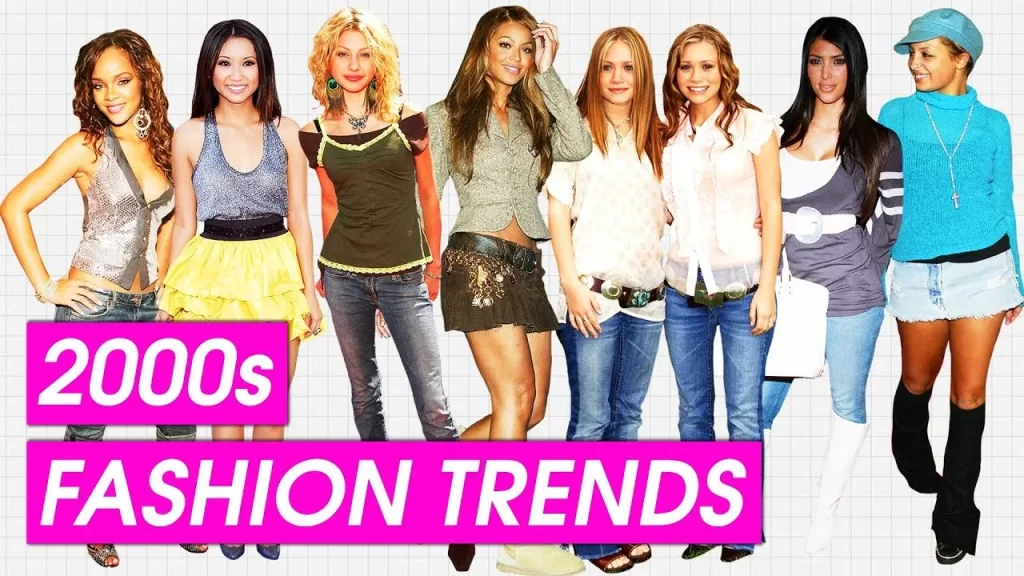
The 2000s were a defining decade not only for music but also for the visual identities of the artists who shaped its sound. As pop culture evolved in the wake of digital innovation and genre crossovers, so too did the fashion sensibilities of its biggest stars.
From red carpet reinventions to music video aesthetics, fashion became a key tool for musicians to assert individuality, provoke conversation, and influence generations to come.
In an era where style and sound were inseparable, certain artists used fashion as an extension of their artistry — turning themselves into walking cultural symbols.
Britney Spears: From Teen Queen to Risk-Taker
Britney Spears was arguably the most photographed pop star of the early 2000s, and her fashion choices helped define a generation. From her schoolgirl outfit in “…Baby One More Time” to her bejeweled nude bodysuit in the “Toxic” video, Spears consistently pushed boundaries.
Her denim-on-denim red carpet look with Justin Timberlake in 2001 remains one of the most iconic (and parodied) fashion moments in music history.
Britney’s style transitioned from girl-next-door to edgy pop provocateur, mirroring her evolution from teenage sensation to a more mature performer navigating fame’s complexities.
Lady Gaga: Turning Shock Into Couture
While Lady Gaga’s breakout occurred at the tail end of the 2000s, her impact was immediate and unforgettable. Emerging with hits like “Just Dance” and “Poker Face,” Gaga used fashion as performance art, blurring the line between clothing and concept.
- Futuristic bodysuits with exaggerated shoulders
- Crystal-encrusted masks and veils
- Architectural hairpieces and metallic corsets
Her outfits were not simply eccentric — they were visual extensions of her themes: fame, identity, and alienation. Gaga redefined what it meant to be a pop star in the digital age, using fashion as a deliberate storytelling mechanism.
Kanye West: Redefining Hip-Hop’s Dress Code
In a genre long dominated by baggy jeans and oversized jerseys, Kanye West entered the 2000s determined to rewrite the fashion code. With his debut album College Dropout, West introduced a more refined, preppy aesthetic to hip-hop: polos with upturned collars, backpacks, and tailored blazers.
His influence only grew with time. By the end of the decade, he was collaborating with major fashion houses and laying the foundation for what would later become his Yeezy brand. West’s ability to merge streetwear with high fashion shifted how male artists approached style — with creativity, not conformity.
Avril Lavigne: The Pop-Punk Antithesis
Avril Lavigne emerged as the antithesis of the polished pop princess. Her signature look — tank tops, loose ties, baggy cargo pants, and smudged eyeliner — resonated with teens looking for authenticity in a media-saturated era.
She was more than a fashion rebel; she was a brand. Lavigne’s style told her fans: “You don’t have to be perfect to be powerful.” In doing so, she gave pop-punk a mainstream face and helped carve a space for alternative fashion in the pop world.
Rihanna: Risk, Rebellion, and Reinvention
Rihanna’s early 2000s style journey was one of the most dynamic. She debuted with a girl-next-door aesthetic — denim skirts, cropped jackets, and hoop earrings — but quickly began experimenting with bold silhouettes, edgy makeup, and couture-inspired looks.
By 2009, Rihanna had adopted a fashion-forward identity, sporting sharp asymmetrical haircuts, leather ensembles, and androgynous tailoring.
Her transformation wasn’t just cosmetic; it was strategic. Rihanna used fashion to signify her artistic growth and readiness to challenge norms — something she would continue with increasing boldness into the next decade.
Pharrell Williams: The Cool Chameleon
Pharrell made waves not only with his music but with his effortless approach to style. Mixing skate culture, Japanese streetwear, and high fashion, he brought an eclectic energy to the scene. His work with Billionaire Boys Club and Ice Cream helped pioneer the streetwear movement in hip-hop and beyond.
Whether wearing oversized trucker hats or slim-cut suits with sneakers, Pharrell’s fashion told a story of cultural fusion. He was a symbol of genre-fluid cool before it became mainstream.
Christina Aguilera: The Shape-Shifting Diva
Known for her powerful voice, Christina Aguilera’s style evolution in the 2000s was equally bold. She shifted from the Y2K sparkle of “Genie in a Bottle” to the provocative glam of her Stripped era. Fishnet tights, leather chaps, and heavy eye makeup became her armor as she asserted independence and control over her image.
Her “Dirrty” video was controversial not just for its visuals, but for the statement it made: women in pop could be unapologetically raw and self-defined.
Aguilera used fashion to challenge double standards and reclaim her narrative — a move that influenced how future pop stars embraced and managed their public personas.
Beyoncé: The Power of Precision
While Beyoncé’s stage presence was always magnetic, her fashion journey during the 2000s matured with remarkable clarity. From her Destiny’s Child days with coordinated rhinestone outfits to solo ensembles inspired by old Hollywood glamour, Beyoncé’s wardrobe choices were polished, confident, and intentional.
She worked closely with designers and stylists to align her image with her evolving sound, whether through Sasha Fierce-inspired bodysuits or regal red carpet gowns. Beyoncé showed how style could project both strength and elegance without compromise.
Impact on Pop Culture and Fashion Trends
The fashion statements of 2000s music icons didn’t just stay on stage or in videos — they filtered into everyday wardrobes. Key trends shaped by musicians included:
- Low-rise jeans and crop tops
- Heavy eyeliner and layered accessories
- Tracksuits popularized by artists like Missy Elliott and Jennifer Lopez
- Statement footwear, from Timberlands to knee-high boots
Fans didn’t just listen to music — they dressed the part. Music channels like MTV and magazines such as Teen People and Vibe helped amplify these style choices, making them accessible to a mainstream audience.
The Legacy of 2000s Music Fashion
The 2000s were a fashion renaissance driven by musicians unafraid to experiment, reinvent, and take control of their visual identities. Their choices weren’t merely about aesthetics; they were declarations of independence, reflections of culture, and expressions of artistry.
Today, we still see echoes of these styles in modern fashion revivals and in how artists use clothing as storytelling. From red carpets to runways, the influence of 2000s music icons lives on — stitched into the very fabric of pop culture.